
Experiential
Education
Let’s Cook Up a Story!
An interactive installation that taps into childlike wonder as you learn sentence structure through play.
Recognition
Role
UI/UX Designer
Developer
Tools
Arduino
p5.js
Figma
Fabrication
Flora AI
Team
Minami Matsumoto
Timeline
4 Weeks (Nov - Dec 2025)
Context
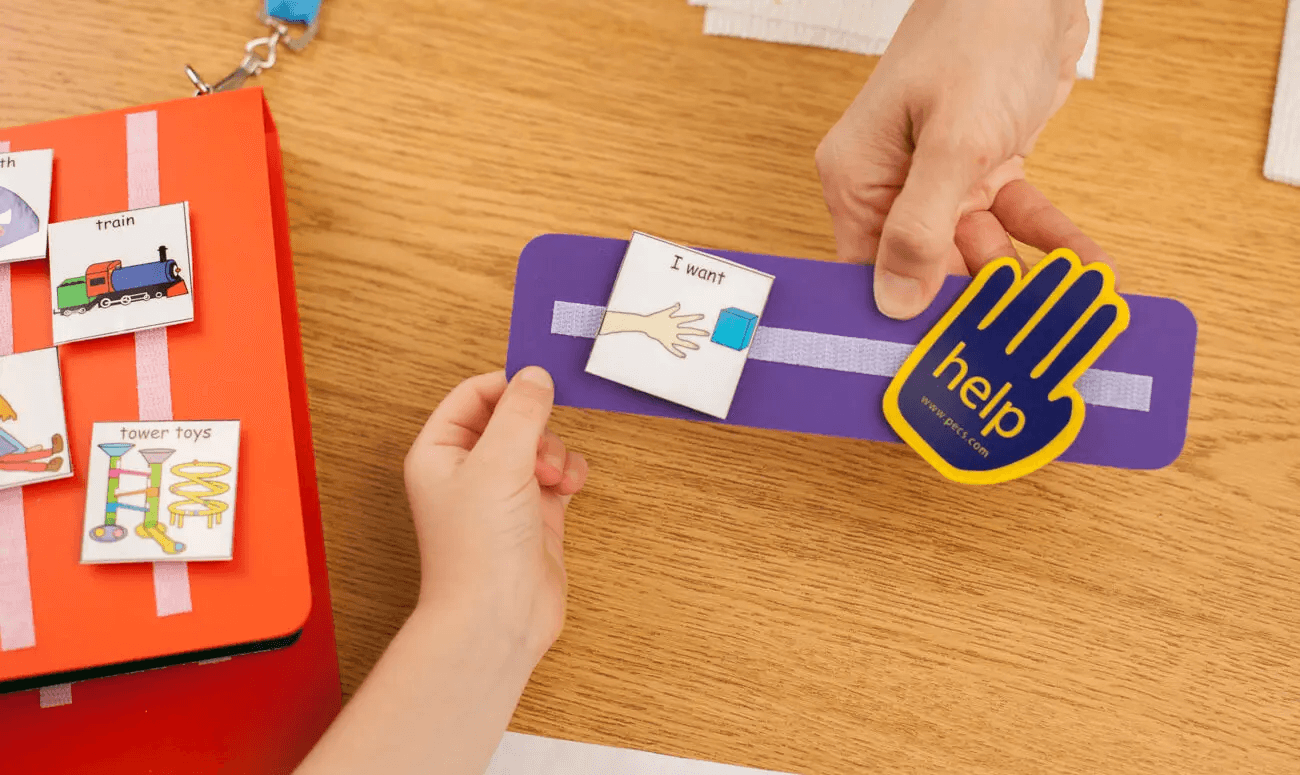
Traditional learning often relies on abstract concepts, creating barriers for kinesthetic learners, neurodiverse children, and early readers.
My work with kids on the spectrum inspired us to combine learning and hands-on interaction. We wanted to find a creative way to reimagine the Picture Exchange Communication System (PECS) tool.
Challenge
How can we make learning grammar feel fun and intuitive, particularly for children with different learning styles?
Research & Discovery
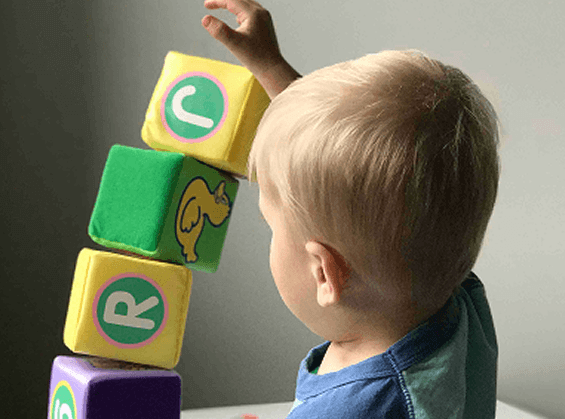
Observational Research
Observed how children with autism play to understand natural play patterns
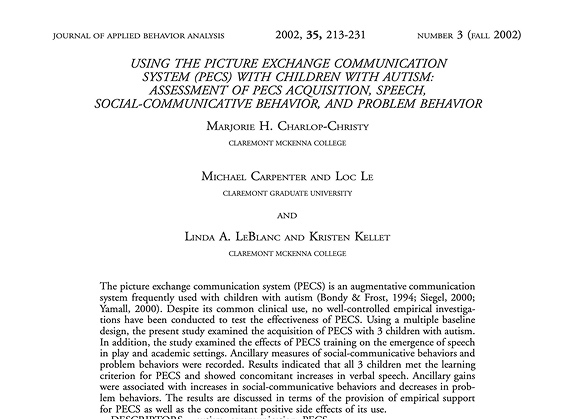
Literature Review
Researched PECS communication methods to guide design choices
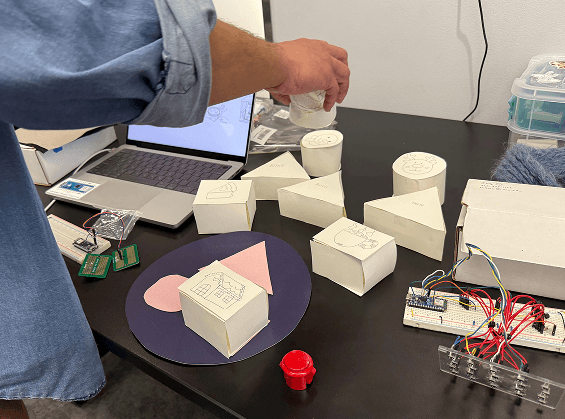
Play Testing
Tested prototypes with children and adults to spot usability issues
Key Research Insights
Kids learned faster through hands-on trial and error than through verbal directions.
Users frequently changed their minds, swapping pieces repeatedly.
Kids needed visual and tactile cues, especially for interactions that required precise placement.
Solutions
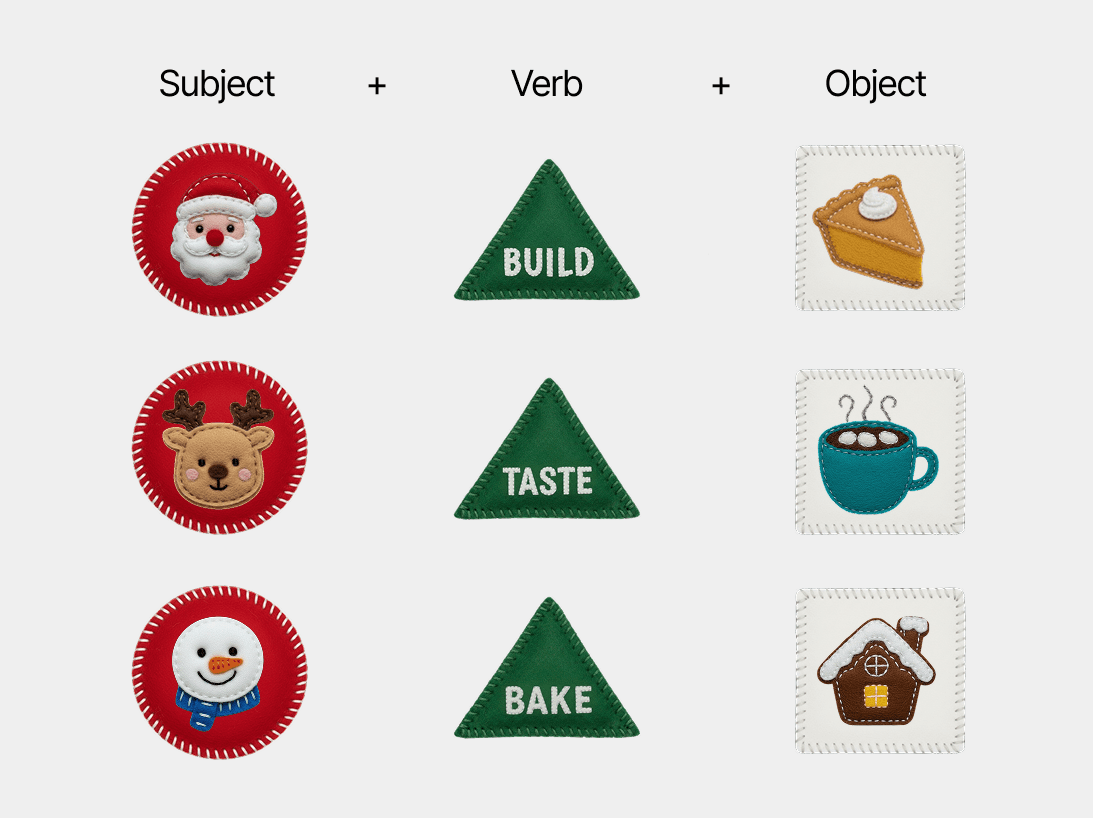
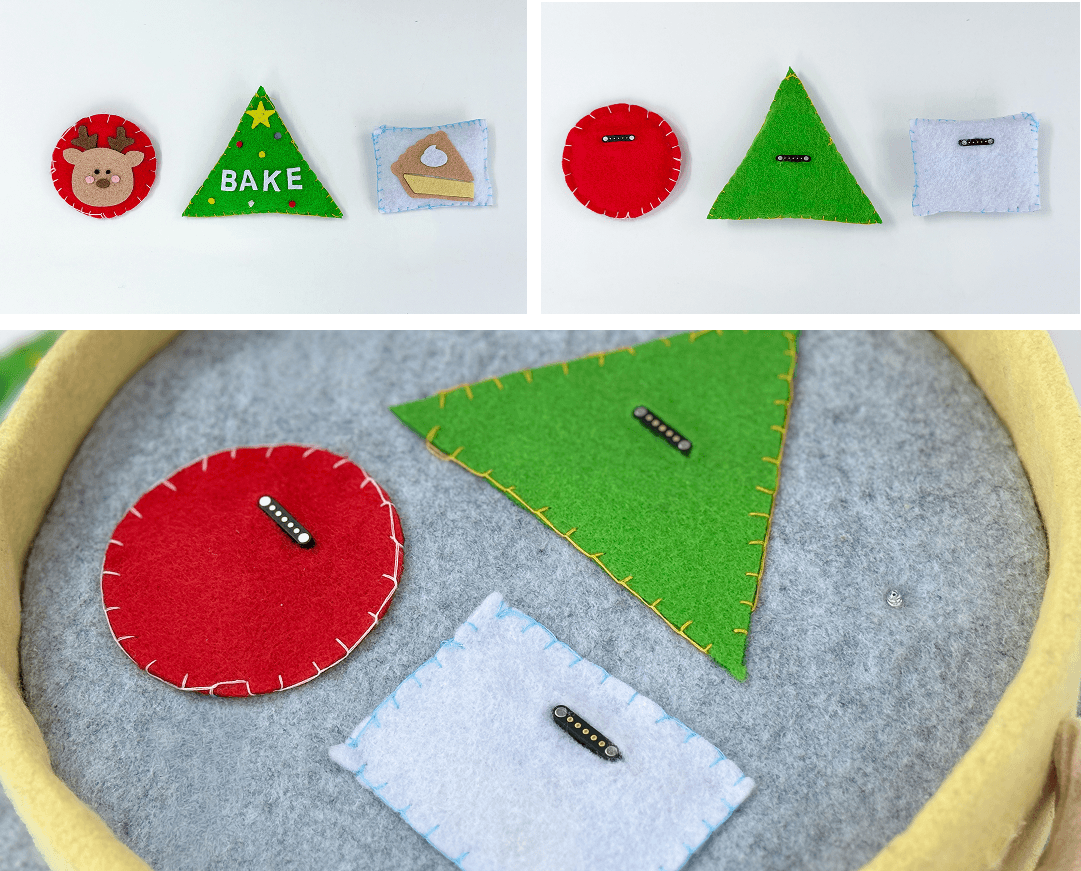
Grammar as shapes
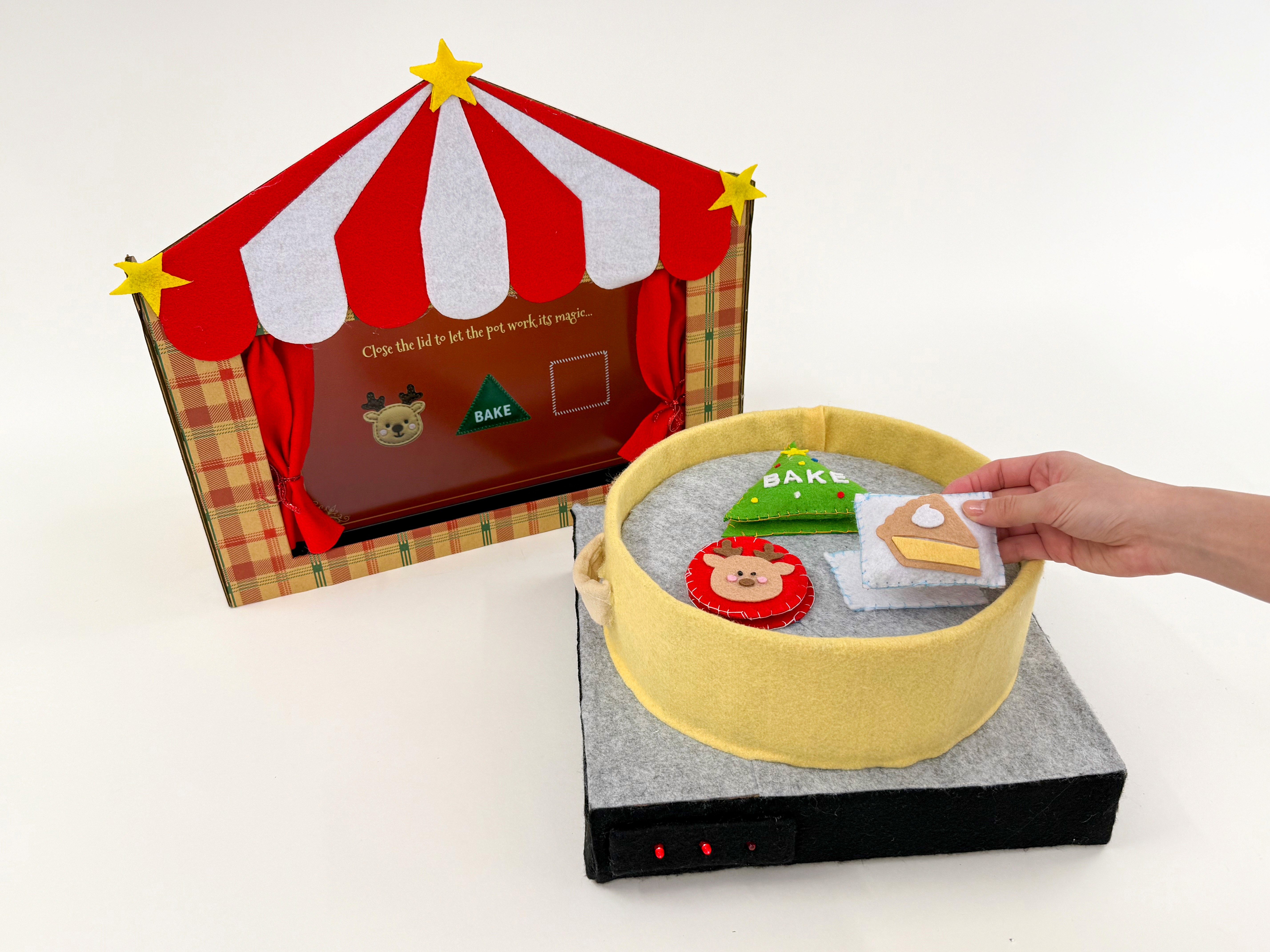
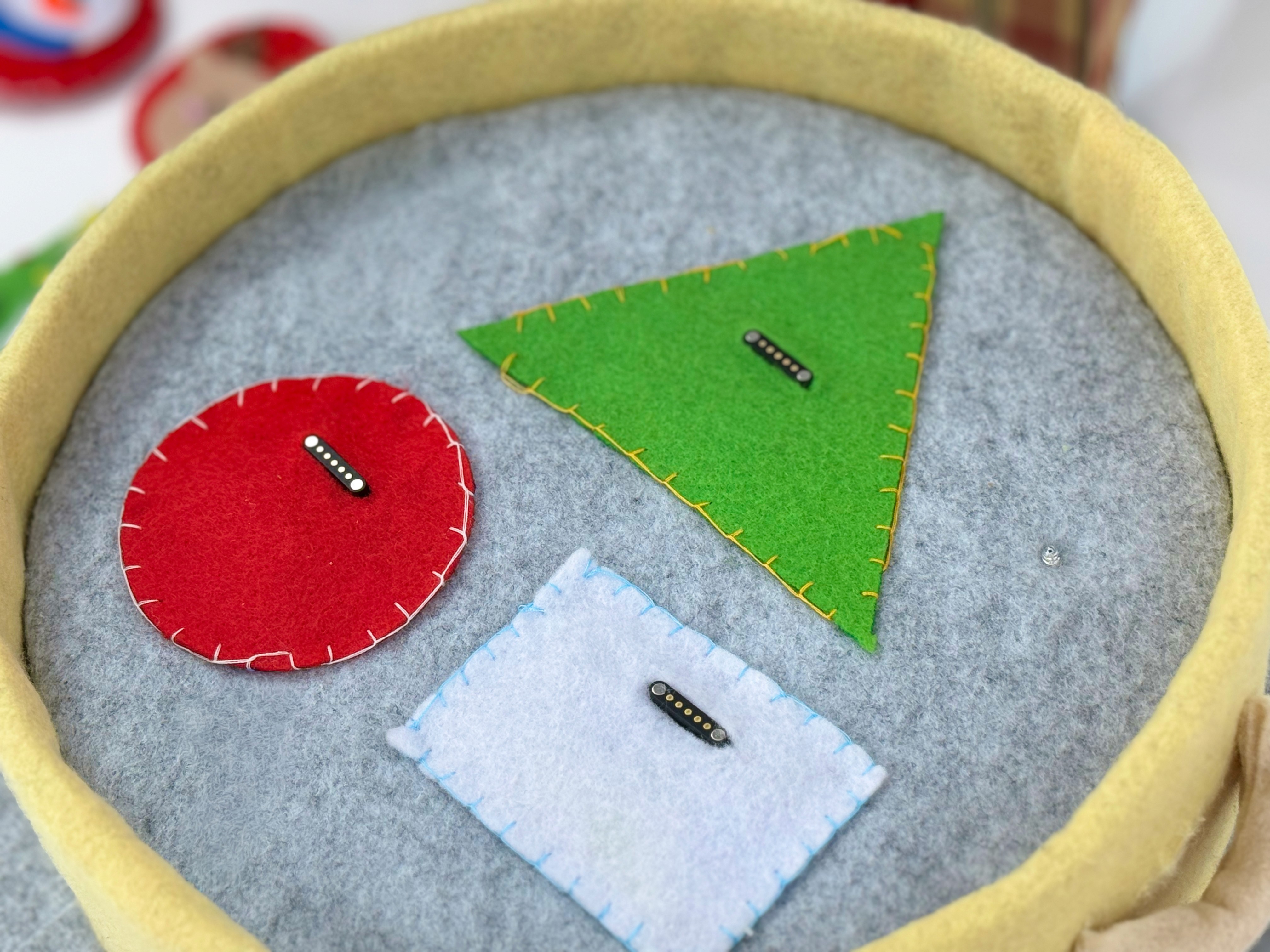
Subjects are circles, verbs are triangles, objects are squares. Kids can visually connect that each shape has a different purpose in a sentence.
Tactile Control and Accessibility
We chose magnets over NFC sensors. The click of magnets connecting feels intuitive and works for kids with limited hand control.
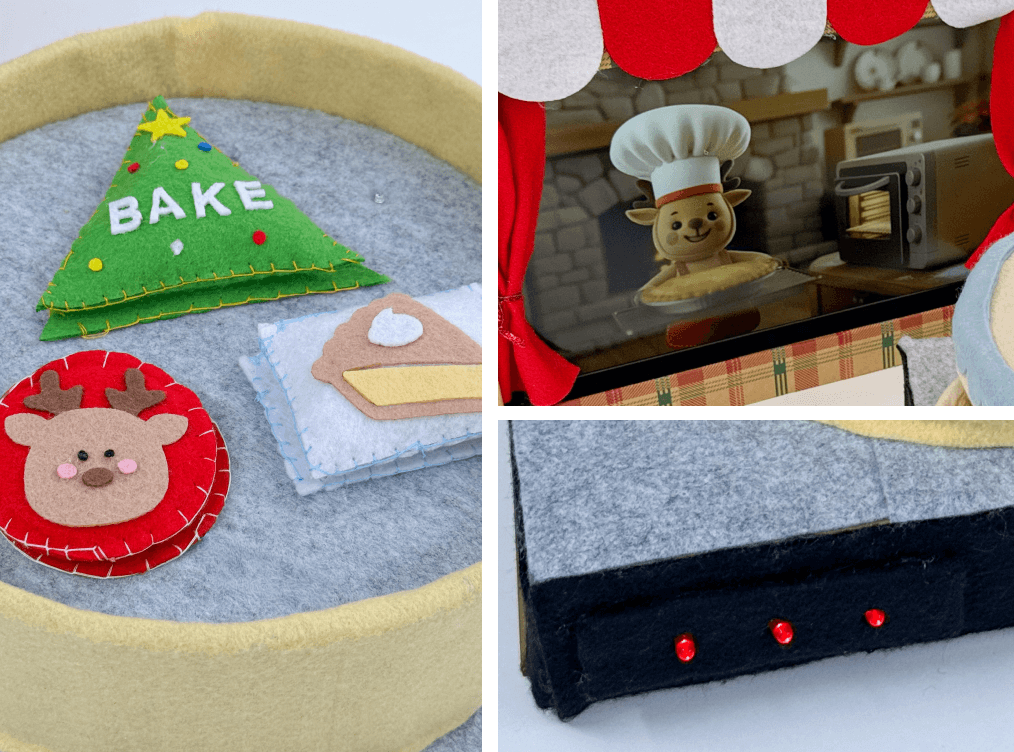
Multi-Sensory Feedback
Touch, lights, sound, and animation create layered feedback that strengthens learning better than screens or analog tools alone.
How It Works
The Interaction
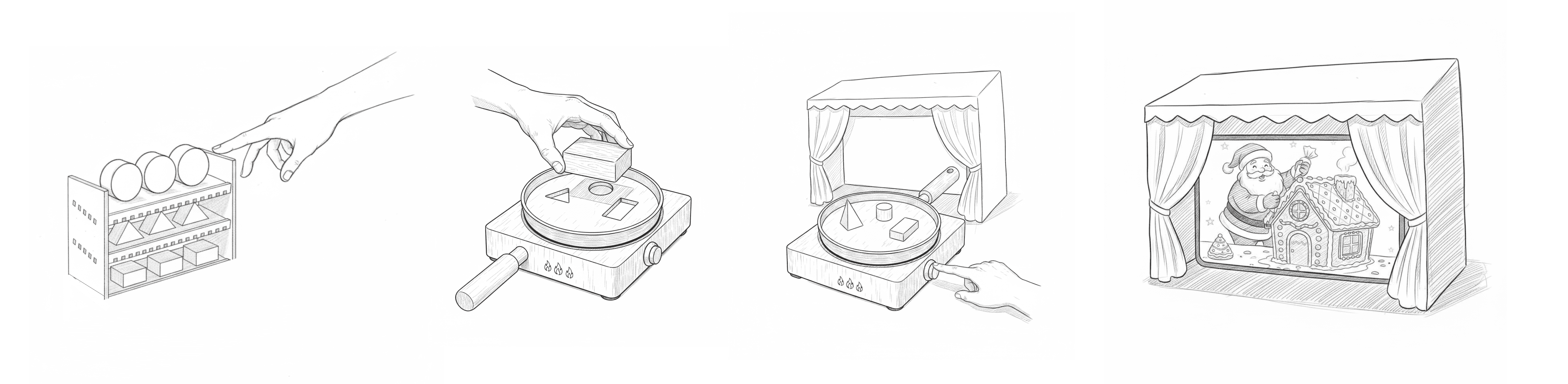
This concept sketch maps the four-step user journey.
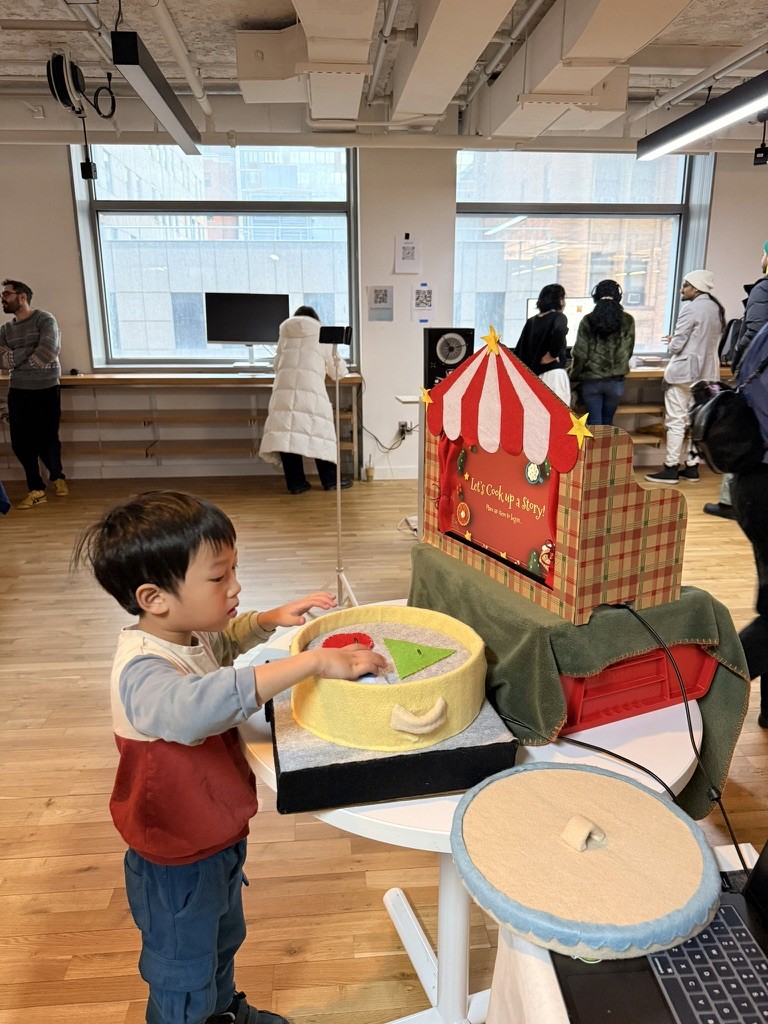
Select felt pieces and place them onto the cooking pot
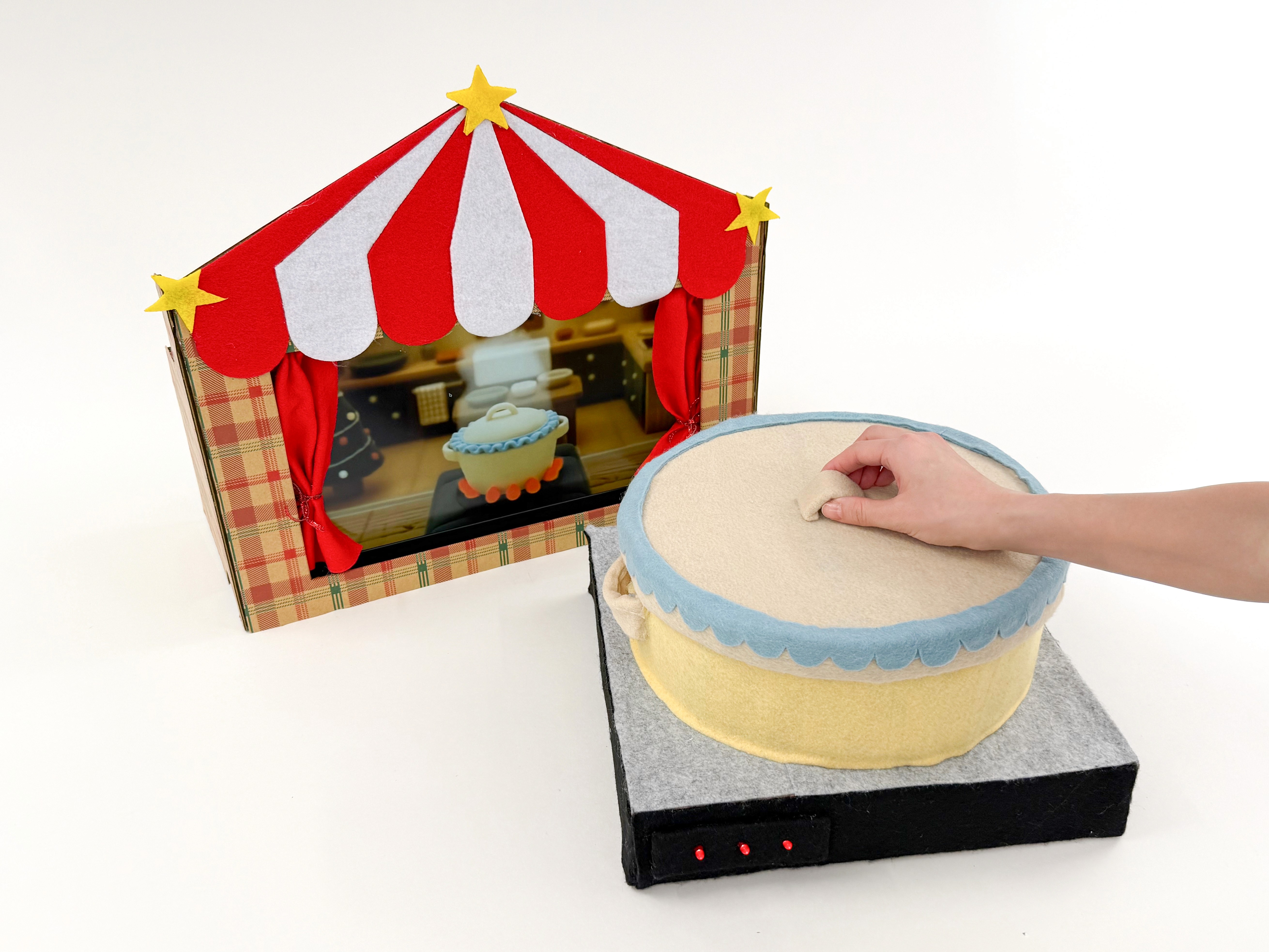
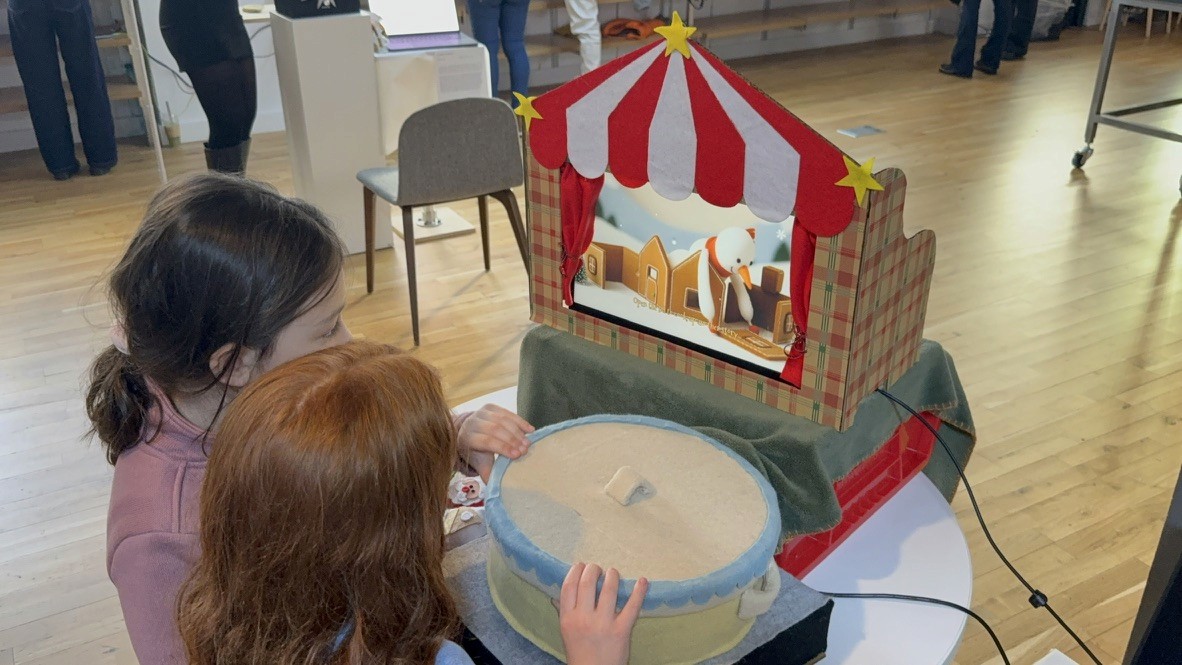
Close the lid to trigger the magic
Watch your custom story unfold on the puppet theater display
The Sensors
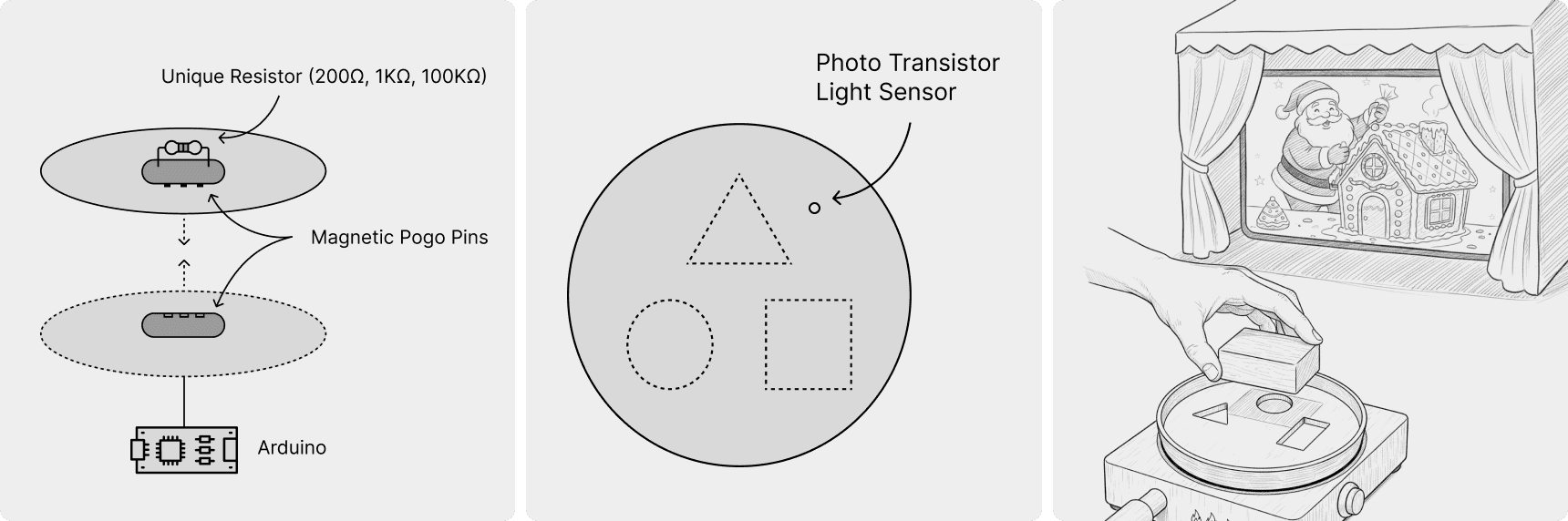
Each felt piece has a unique resistor inside. When you place it on the pot, the Arduino reads which piece it is by its value. Red LEDs light up to confirm connection. A light sensor then detects when the lid is closed, triggering a video uploaded to GitHub through code written in p5.js.
Impact
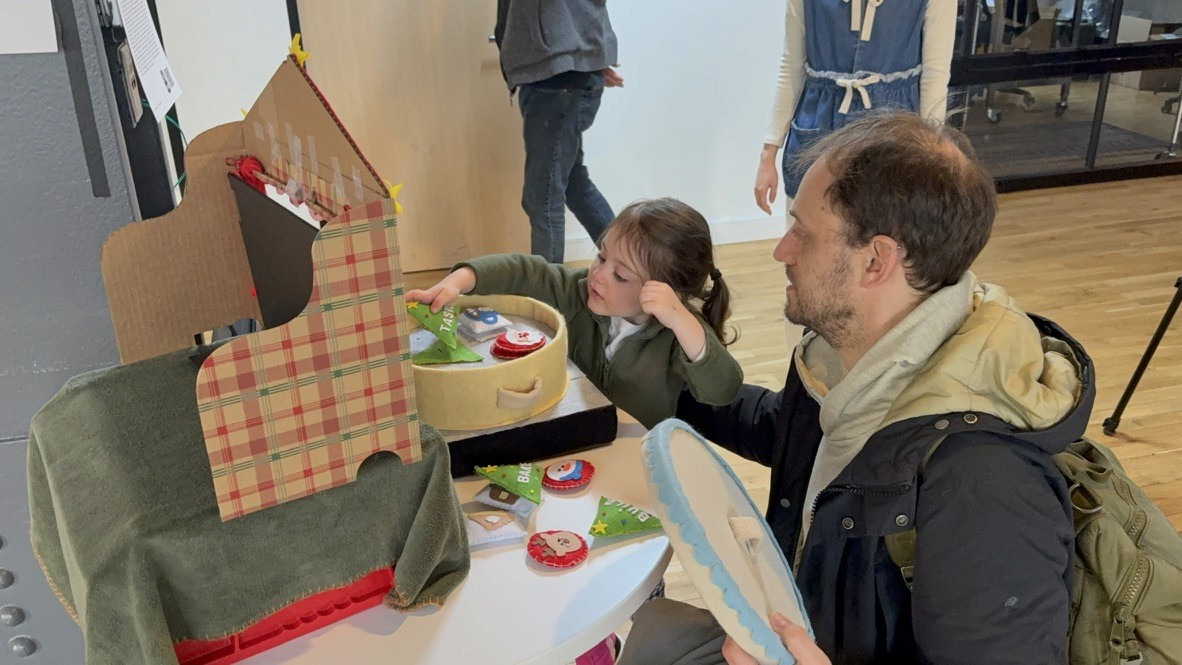
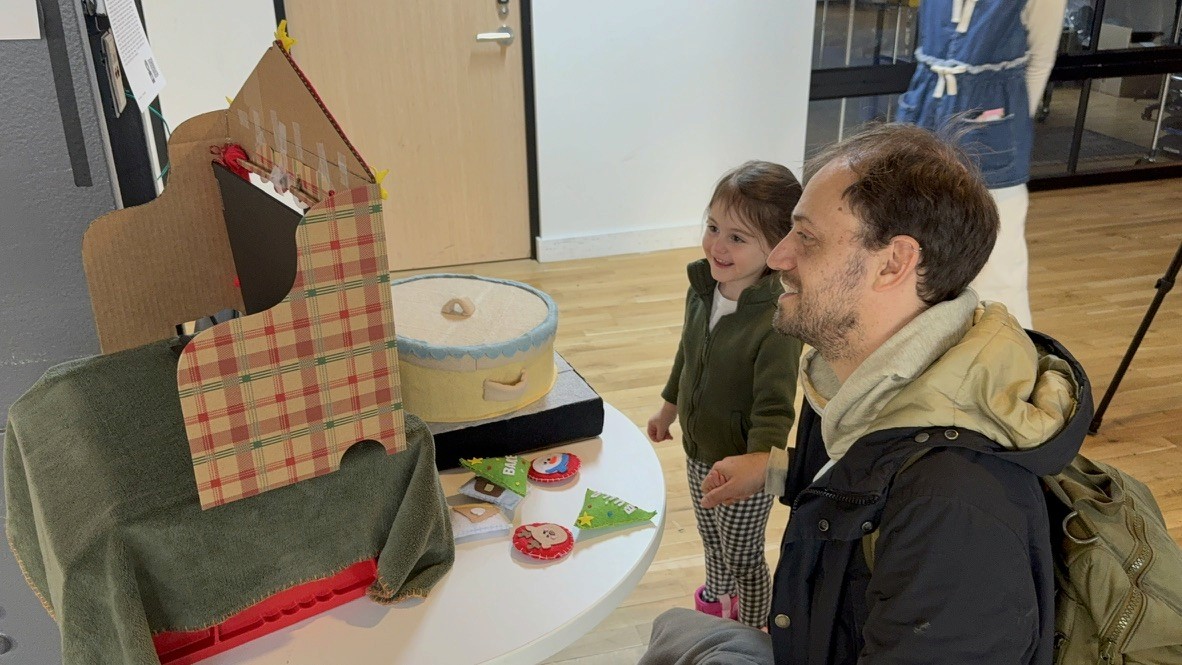
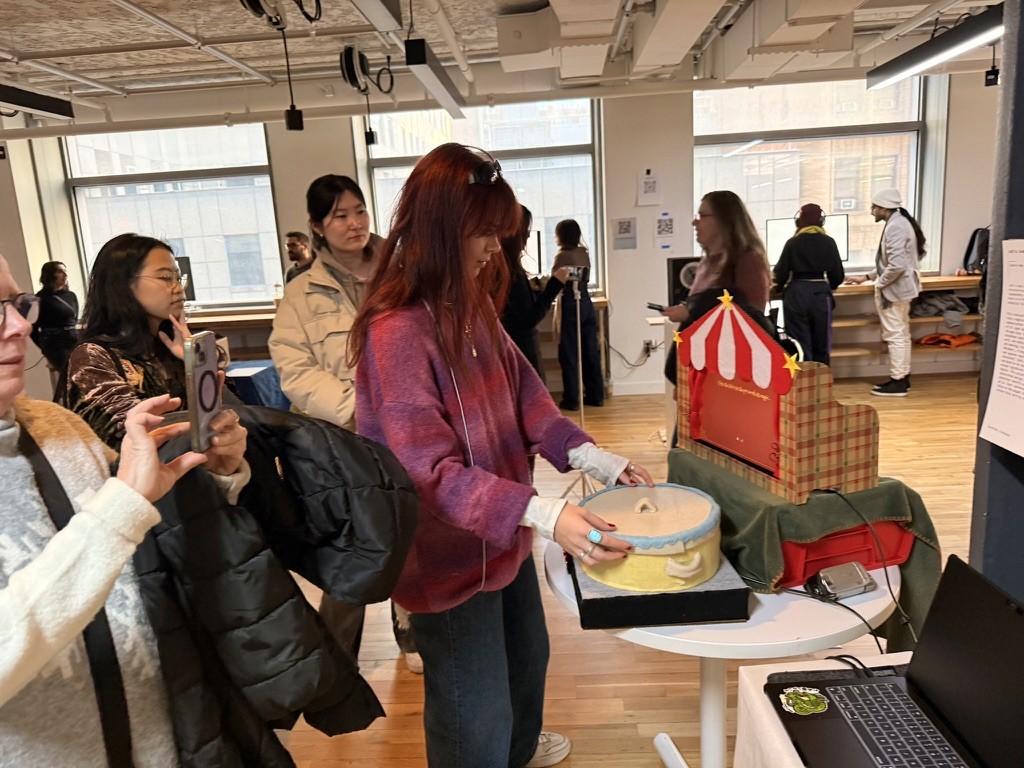
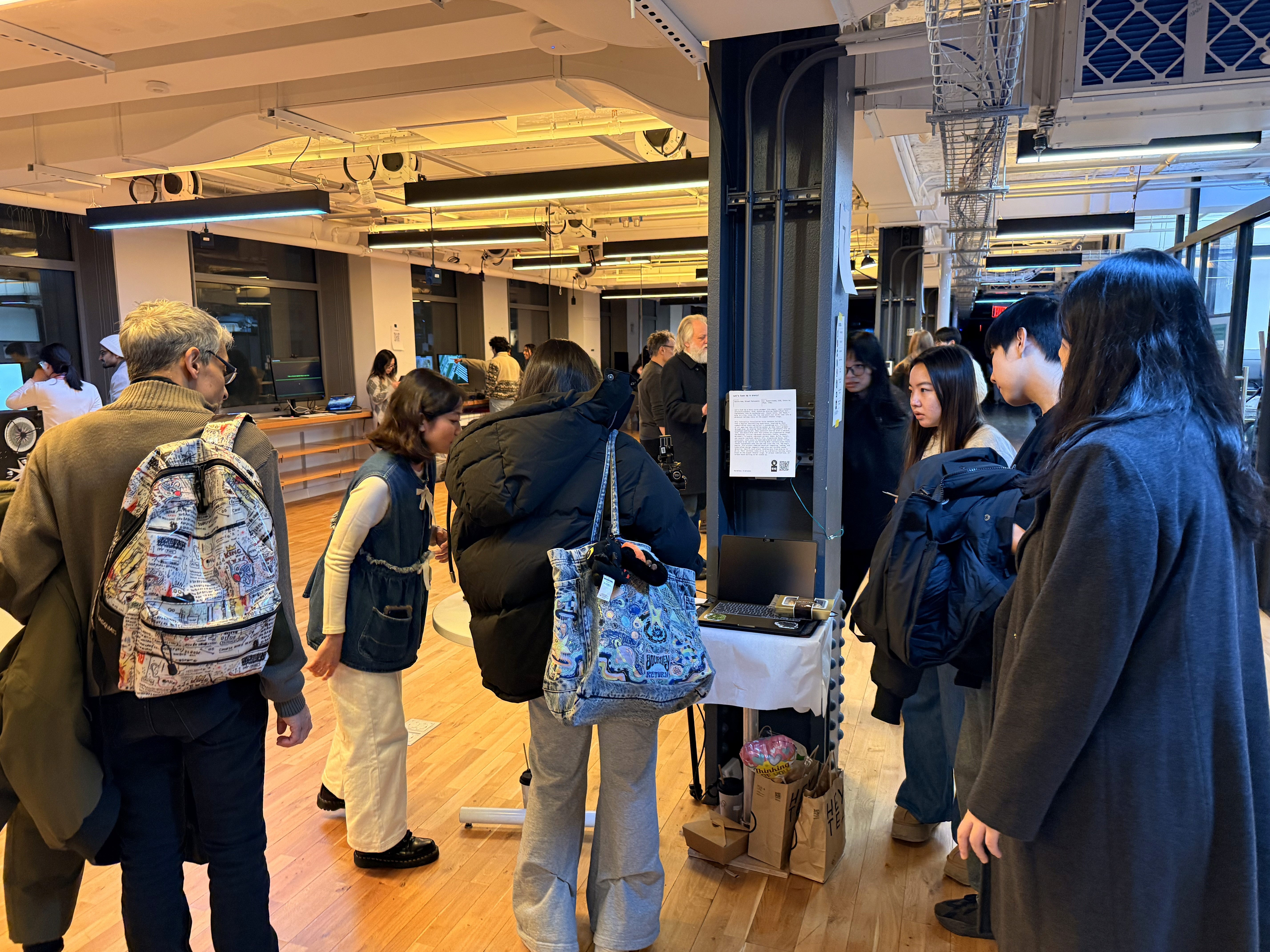
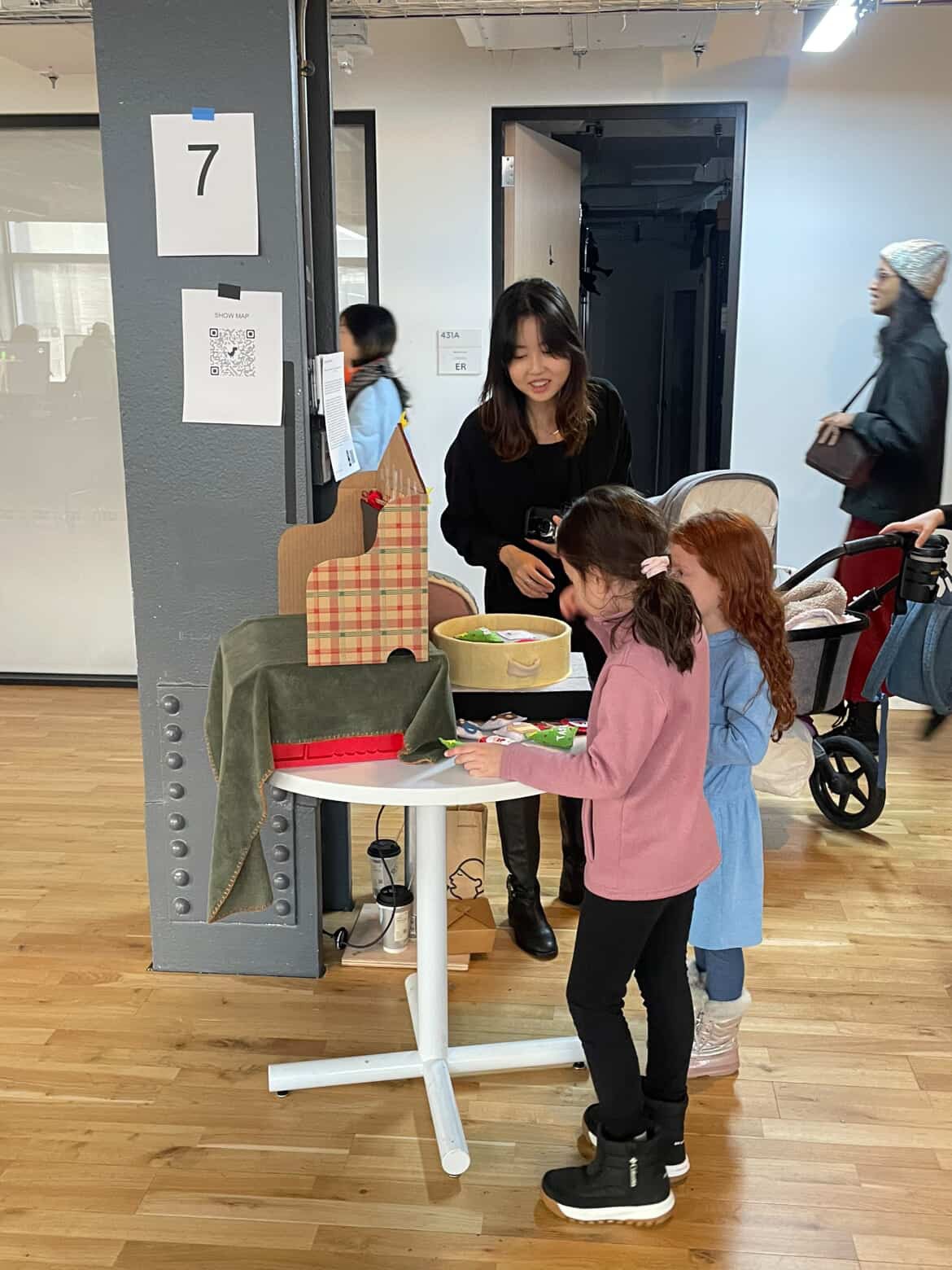
On December 14th, we presented at NYU's ITP/IMA Winter Show. The reaction was more than we could have hoped for.
We had 30+ participants engage with our installation, from ages 4-50+. Seeing everyone’s faces light up when they saw their stories appear was unforgettable.
Biggest Takeaways
Kids felt in control
Making their own choices kept them engaged for longer, staying an average 8 minutes
Intuitive Learning
Kids caught on quickly without guidance, reacting with “Oh, I get it!”
Collaborative experience
Parents and peers naturally collaborated, discussing which pieces to choose
Fun for everyone!
Adults didn't just watch. They also played, proving that lowering barriers benefits all users
A huge thank you to the people who taught me to think differently, experiment boldly, and challenge myself to design for the unexpected. Thank you to Professor Danny Rozin, Professor Tom Igoe, Andre Lira, Proud Aiemruksa, Duan, William and Ryan.