
IA
UX Research
Health
Member IA Redesign
An information architecture redesign that improved navigation clarity by 26% and member satisfaction by 16%.
Role
UX Designer (Sole Designer)
Tools
Information Architecture
UX Research
UI/UX Design
Usability Testing
Team
Director of Customer Experience
PM
Engineering
Timeline
3 months (Nov 2023 - Jan 2024)
Context
<20%
of insured members used the portal regularly
62%
of portal users couldn’t find what they needed
65%
or users couldn’t confidently navigate the portal
In a 2023 survey, we found that fewer than 20% of MGBHP members used the portal, and among those who did, most could not complete basic actions:
65% struggled to navigate the portal
62% could not easily locate benefits or documents.
These usability gaps led members to frequently call for support, creating a bottleneck for customer service.
Challenge
How might we redesign the portal to help members feel informed and confident in managing their health benefits independently?
Research & Discovery
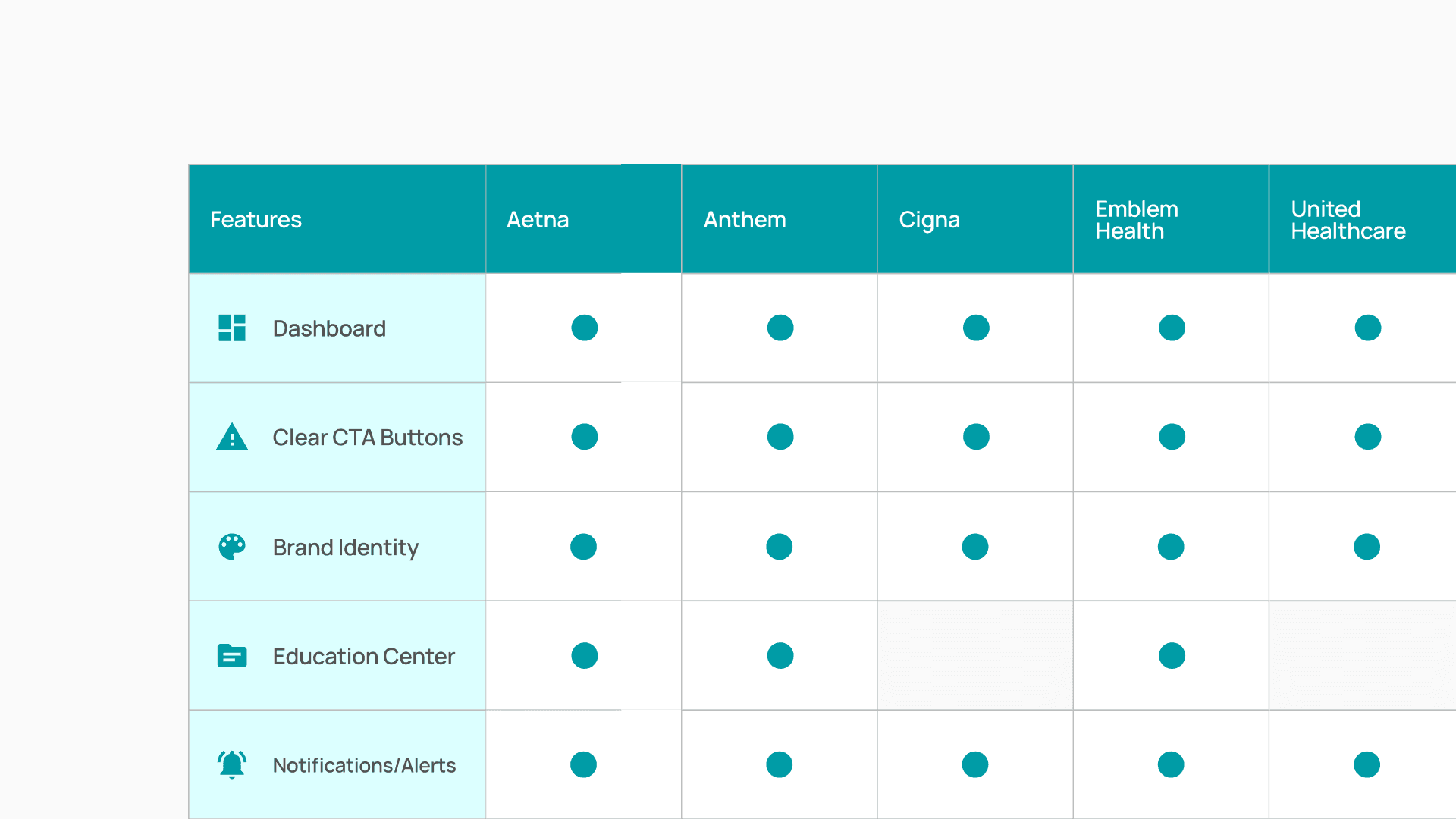
Competitive Audit
Analyzed top healthcare portals (ex. Aetna, Anthem, Cigna, United) to benchmark navigation patterns and best practices
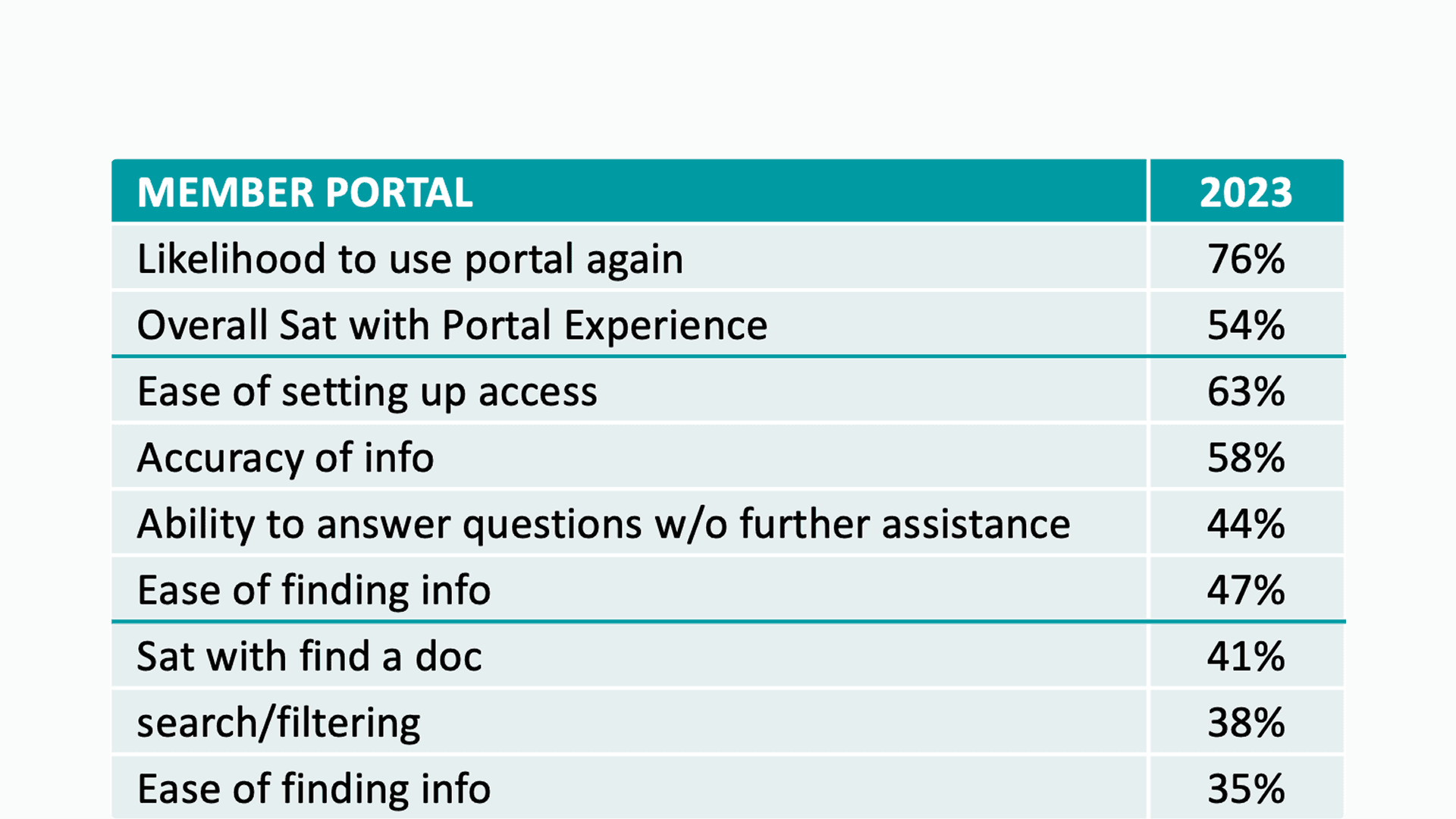
Member Surveys
Reviewed 2023 survey data to identify where members struggled most with portal navigation and task completion
Key Research Insights
65% struggled to navigate the portal and 62% could not easily locate benefits or documents, indicating deep IA and labeling issues
Navigation reflected internal hierarchy rather than how members actually think about their healthcare tasks
Members didn't feel in control. They wanted to see their care at a glance and act quickly without contacting support
Three Phases of Usability Testing
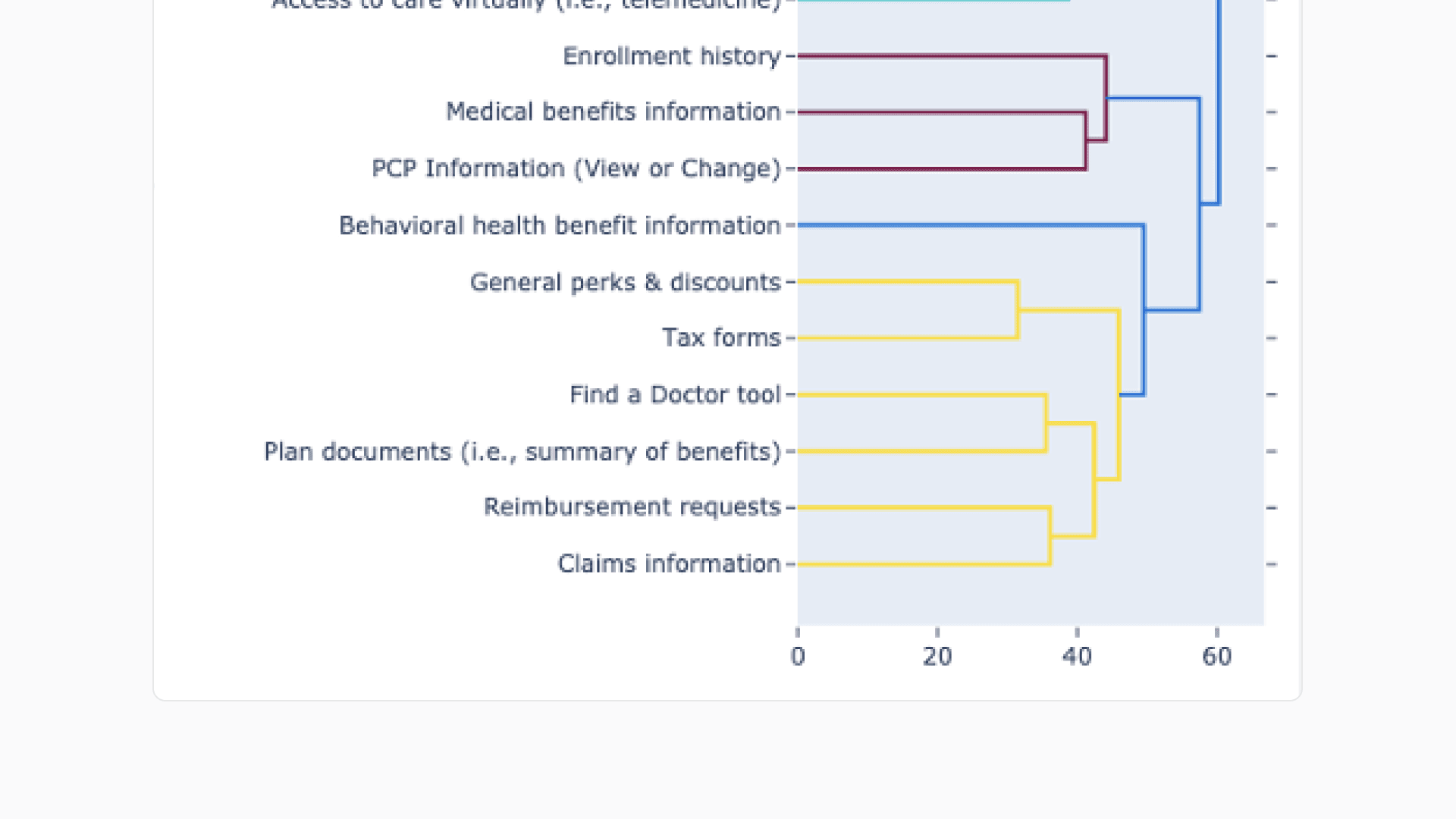
Phase 1: Card Sorting & Navigation
Designed large-scale card sorting and navigation exercises with over 100 participants to understand how users naturally group and label information.
Phase 2: Mobile Navigation Menu Testing
Designed four distinct menu layouts exploring different hierarchies, groupings, and visual patterns. Each reflected a unique structural hypothesis.
Option A

Option B

Option C

Option D

Design C received 32% of overall preference and the highest ease-of-navigation score at 82%.
Phase 3: Homepage Redesign Validation
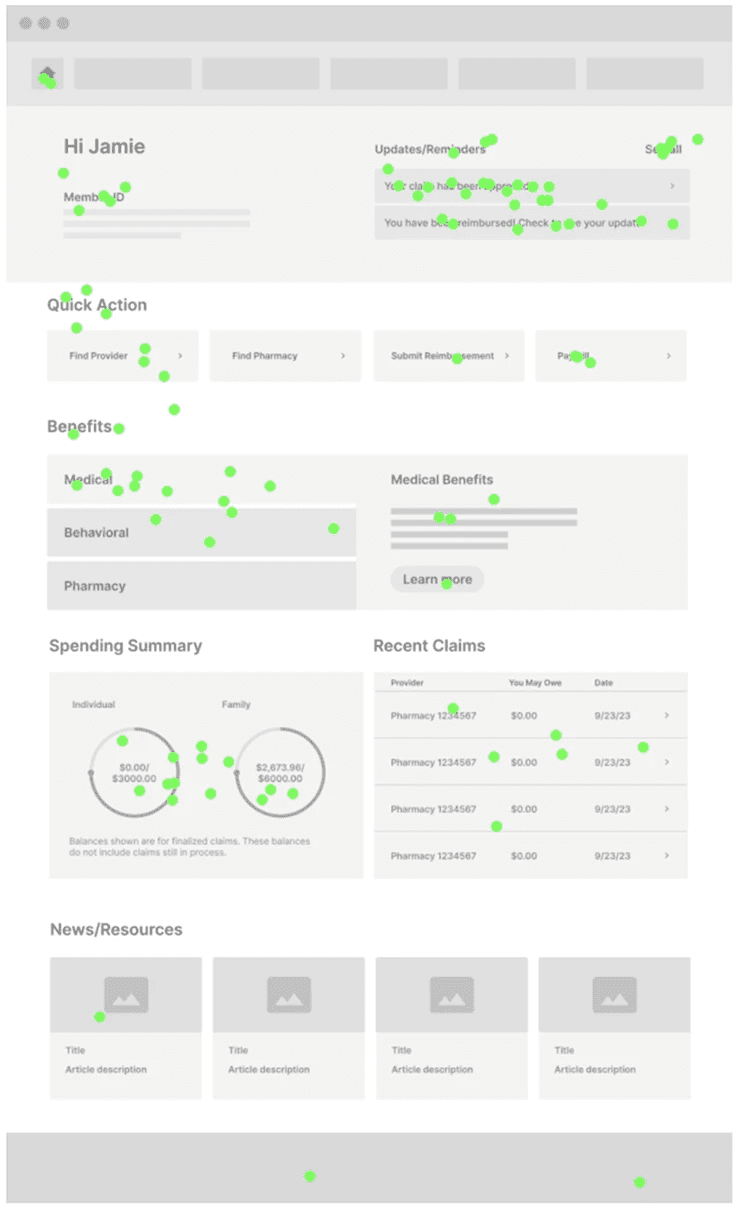
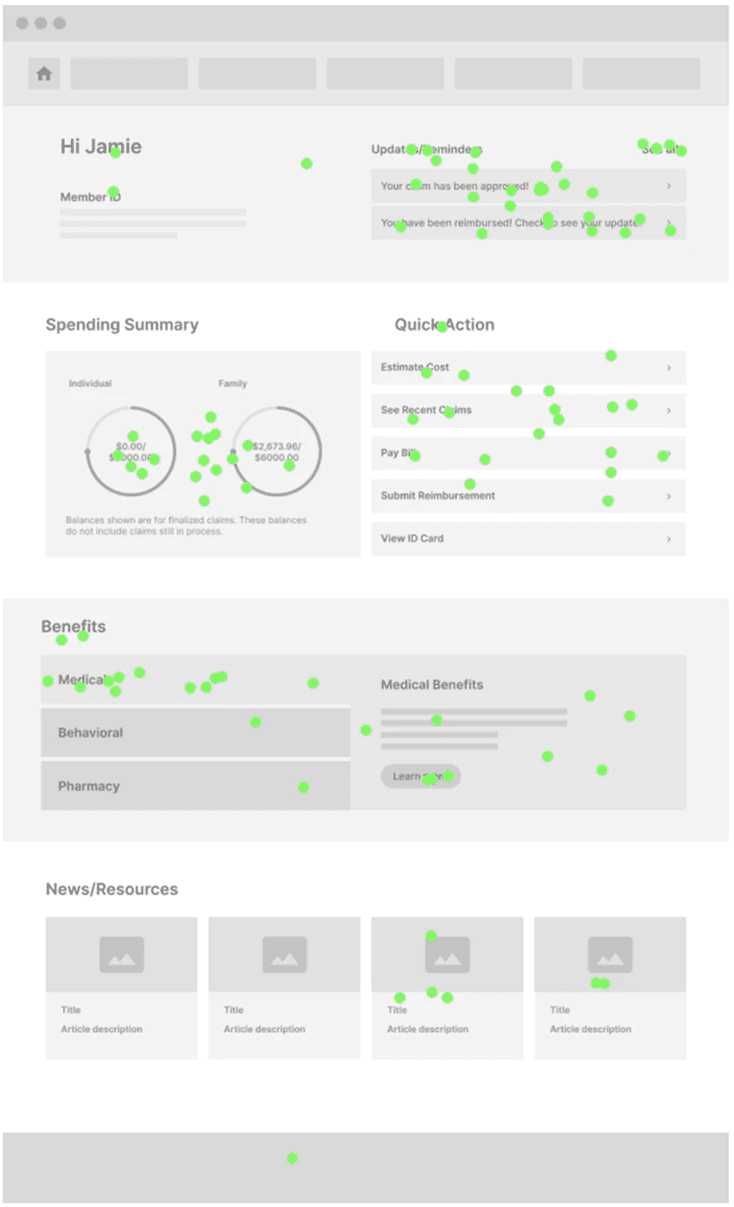
Designed and tested three homepage concepts with distinct focuses to determine which layout best supports member’s needs: Benefits Focus, Financial Focus, and Care Focus
Benefits Focus
Financial Focus
Care Focus
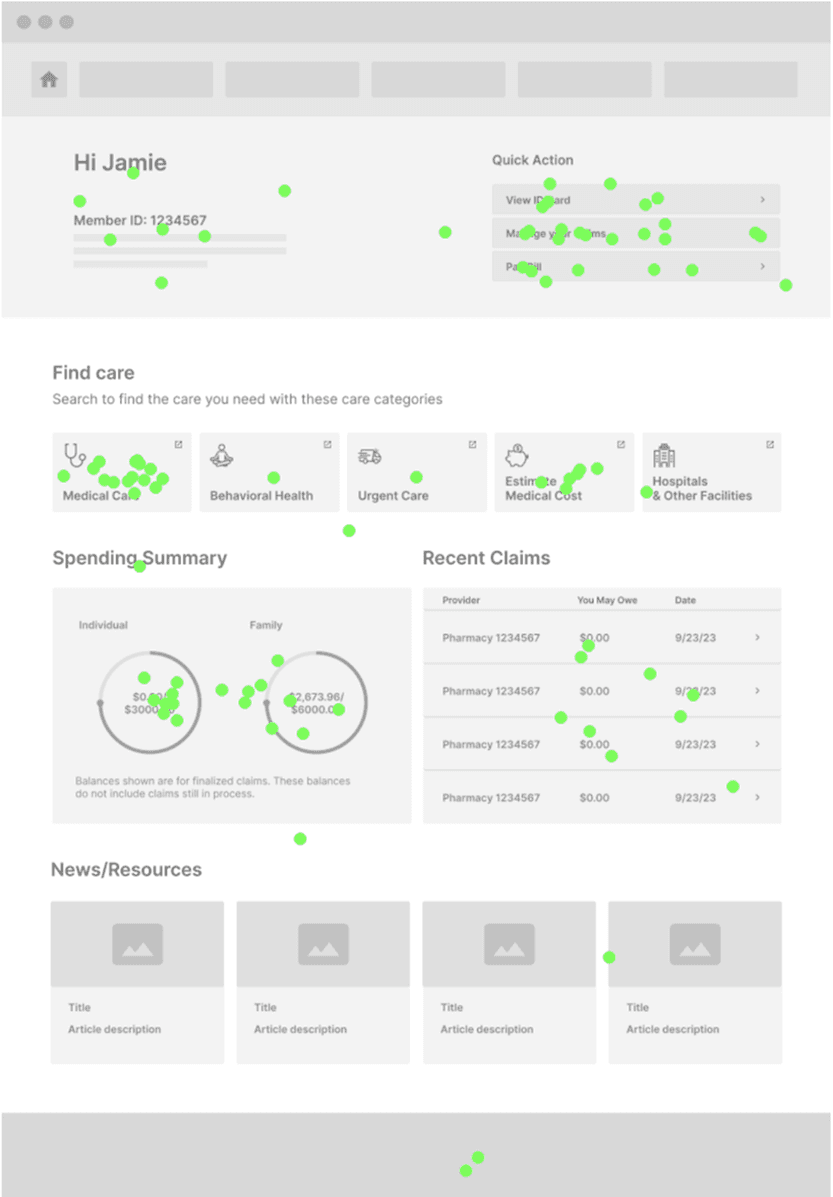
The Care-focused homepage won across every measure. 89% found it easy to navigate, 95% said the layout made sense, and 78% felt empowered to manage their care independently.
Solutions
Grouping What Belongs Together
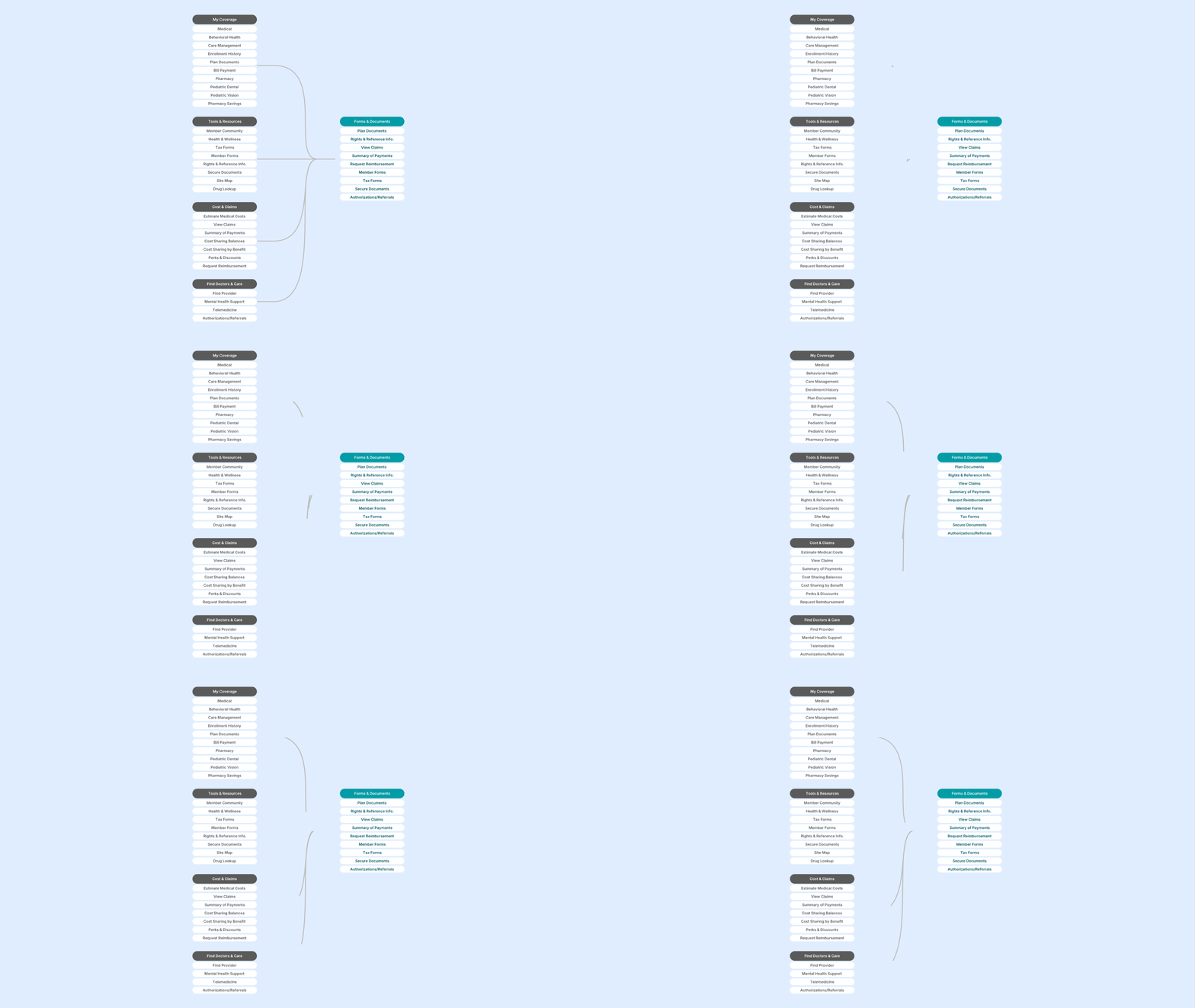
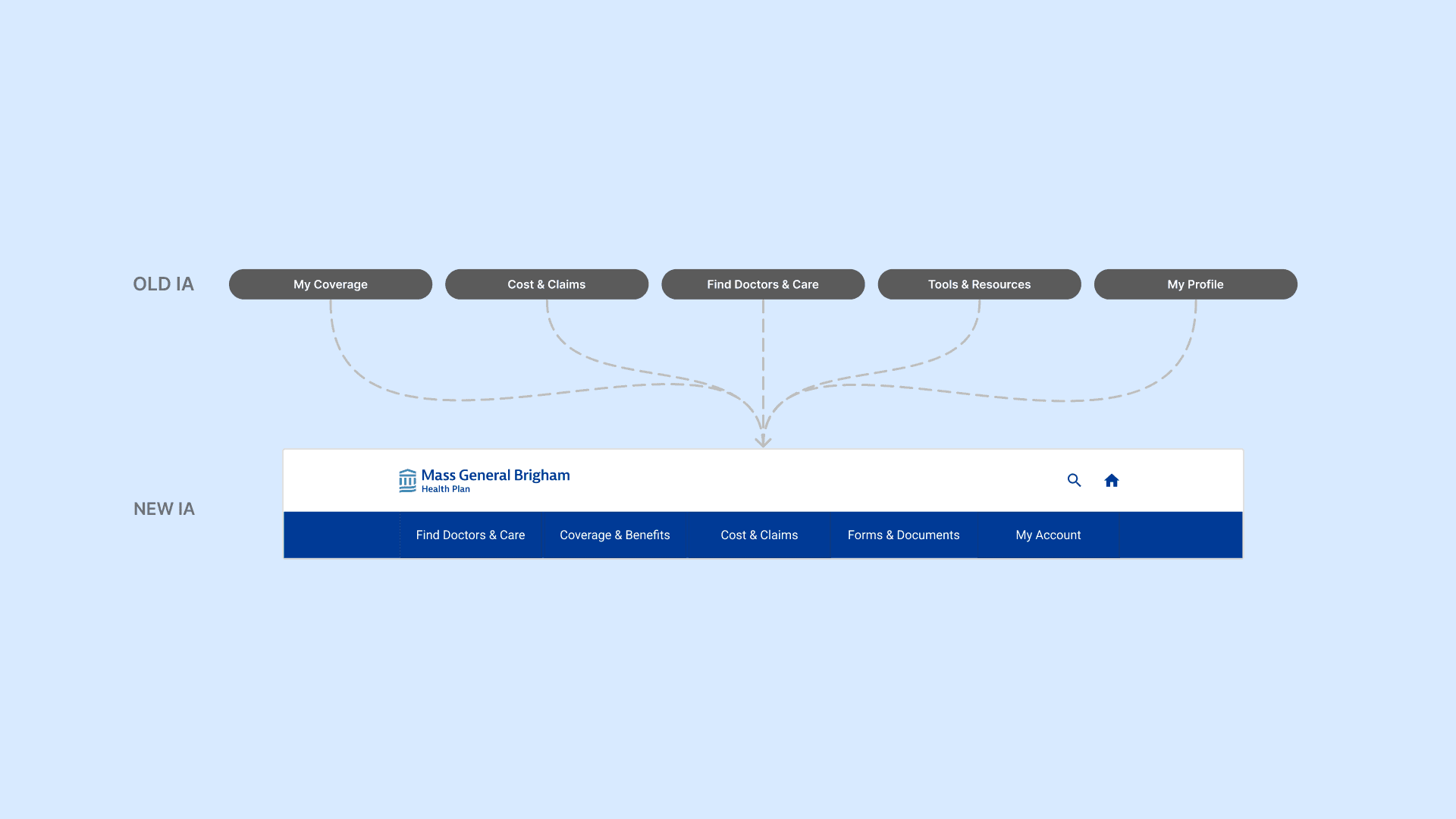
Related information was scattered across sections, so users had to hunt. We reorganized the navigation around how members actually think about their care, not how the organization structured it internally.
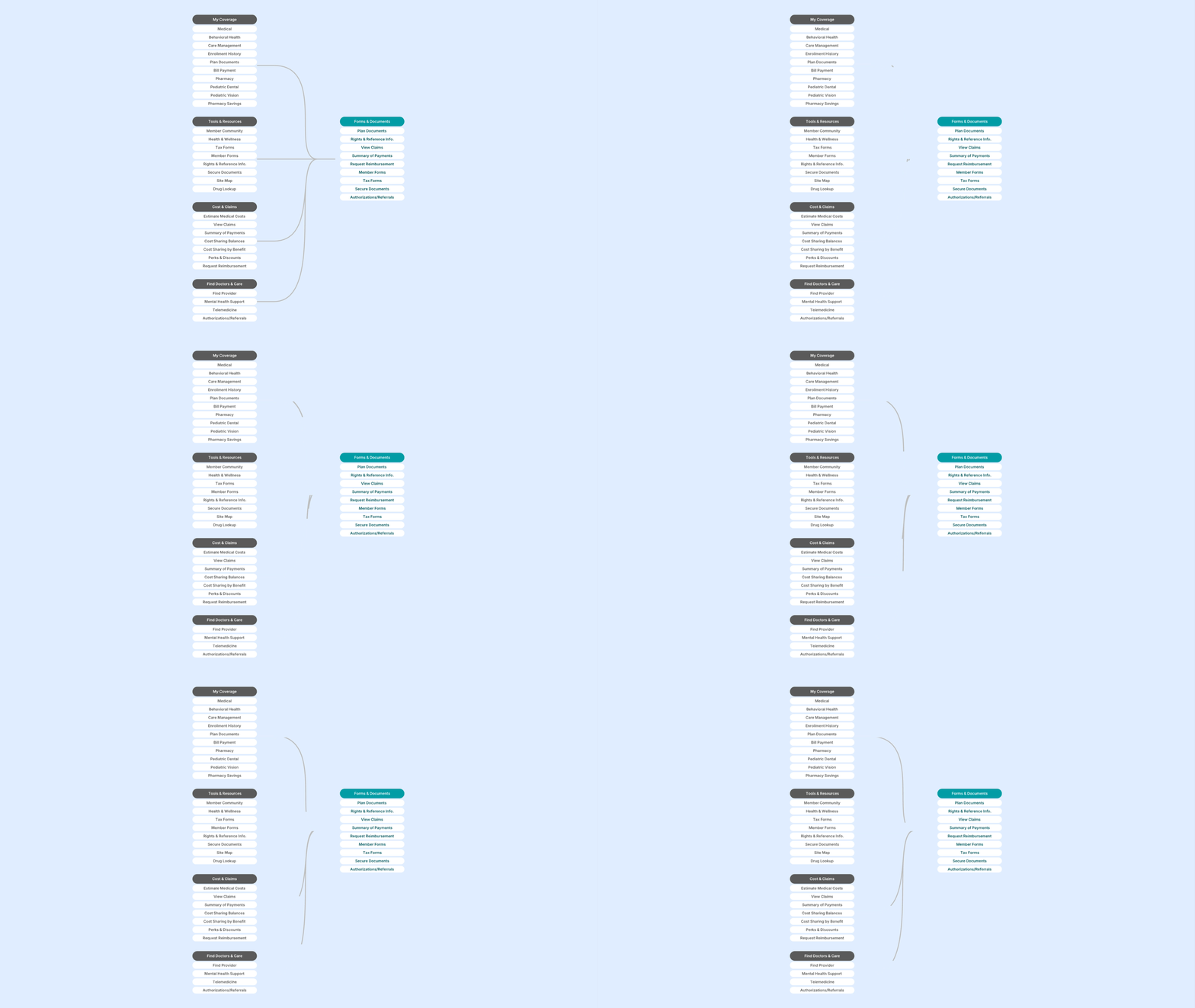
Surfacing Items in Multiple Places
Features like 'View Claims' fit multiple categories. Rather than forcing one location, we surfaced them wherever relevant.

Relabeling for Clarity
"Coverage & Benefits" clarifies what lives within
"Forms & Documents" centralizes downloadable materials
"My Account" aligns with common digital conventions

The redesigned IA was officially launched in April 2024.
Phase 3 testing was clear: members came to the portal to find care first. So Find Doctors & Care became the first item in the navigation, not buried in the middle.
Impact
“This homepage would make me feel like my health insurance provider genuinely wants to empower me to manage my health care.”
Usability Test Participant
26%
Ease of finding information (35% → 61%)
16%
Self-service capability (44% → 60%)
16%
Overall member satisfaction (54% → 70%)
Biggest Takeaways
Users Don't Think in Org Charts
The old navigation reflected how the organization was structured internally. Rebuilding it around how members actually think about their healthcare made the biggest difference in findability.
Test Early, Test Often
Running three phases of usability testing meant decisions were never based on assumptions. By the time the redesign launched, the structure had already been validated by over 100 participants.
Data Already in the Room
The 2023 member survey had the answers before the project even started. Learning to treat existing data as a research foundation, not just background context, shaped how I approached the entire discovery phase.